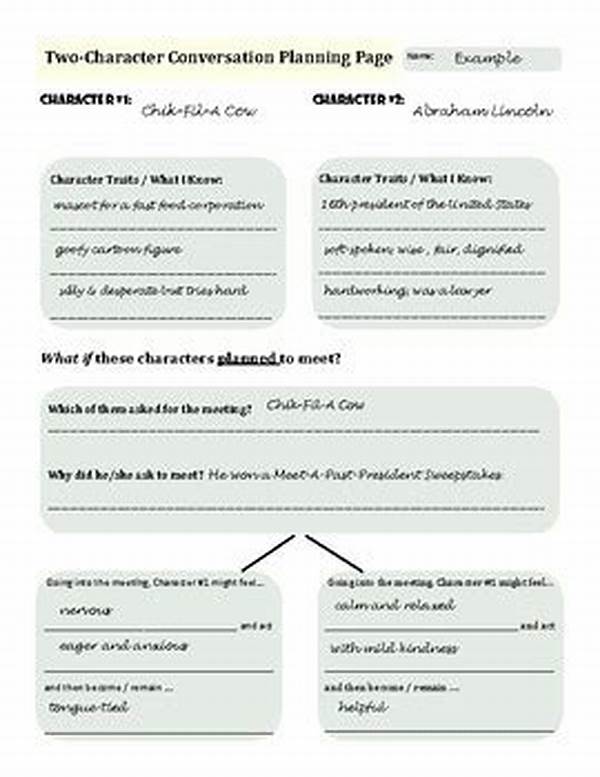
Writing believable and engaging dialogue is an art form that adds depth to your characters, engaging readers in the world you’ve crafted. Conversations in novels or stories must sound authentic; they need to resonate with the readers, making them feel as though they are peeking into genuine interactions. Writing true-to-life character conversations means creating exchanges that reflect real human experiences, incorporating nuances, and reflecting individual personalities. Let’s explore how to achieve this sense of authenticity and make your dialogues compelling and natural sounding.
The Importance of Realistic Dialogue
Crafting dialogue that rings true is crucial for immersing readers in your story. When writing true-to-life character conversations, the goal is to echo spontaneous exchanges that happen in everyday life. Characters should speak in ways that reveal who they are, showcasing their emotions, backgrounds, and motivations. By listening to conversations around us, we can gather a wealth of material to draw from. Consider how people interrupt each other, change subjects awkwardly, and reveal truths unintentionally. These everyday language patterns infuse dialogue with realism and enhance character development, inviting the audience to connect more deeply with the narrative.
When characters speak authentically, their unique voice emerges, making them memorable and distinct. It’s not just about what they say but how they say it. The choice of words, tone, and even hesitation paint a clearer picture of their inner world. When writing true-to-life character conversations, remember that dialogue is an extension of character actions and settings. Never let dialogue exist in a vacuum; integrate it with the surrounding elements of the scene to make character conversations resonate with genuine authenticity. An engaging back-and-forth is a dance between characters, grounded by the context of their personal and shared experiences.
Dialogue is dynamic; it propels the plot forward while deepening the reader’s understanding of the characters. When characters engage with each other in ways that feel spontaneous and unrehearsed, the narrative flows seamlessly, capturing the ebb and flow of real-life interactions. Readers become invested, eagerly turning pages to find out how character relationships evolve through their conversations. Naturalistic dialogue is a powerful tool in your storytelling arsenal, offering a window into your characters’ souls and inviting your audience to experience every moment alongside them. Mastering the art of writing true-to-life character conversations bridges the gap between fiction and reality, allowing stories to resonate long after the final page is turned.
Five Key Aspects of Natural Sounding Dialogue
1. Authentic Voice: Every character’s speech should be distinctive, reflecting their background and personality. Writing true-to-life character conversations means crafting dialogue that feels authentic and believable.
2. Subtext and Nuance: Real conversations are filled with underlying meanings. In writing true-to-life character conversations, capture these subtleties to add depth.
3. Organic Flow: Conversations don’t always proceed logically. Characters jump topics, and sentences overlap. This helps in writing true-to-life character conversations that showcase spontaneous interactions.
4. Character Differentiation: Each character should have a unique manner of speaking. This not only enhances individuality but enriches the practice of writing true-to-life character conversations.
5. Emotional Reflection: Dialogue should mirror a character’s inner state. Doing so adds layers to their depiction, crucial for writing true-to-life character conversations.
Techniques for Crafting Natural Dialogue
Dialogue in a narrative serves multiple purposes, including character development, plot advancement, and thematic exploration. However, writing true-to-life character conversations requires a special focus on realism. Observational skills are invaluable here; by being attuned to how people communicate, you can mimic the rhythm and flow of actual speech. Note the variety of speech patterns, regional dialects, and how people use language to express their identity. These details are vital for creating dialogues that resonate. Whether it’s the casual banter between friends or tense exchanges full of unspoken tension, the aim is to capture the authenticity of each scenario.
Another technique is to focus on imperfections within the dialogue. Real conversations are rarely perfect. They include interruptions, thought changes, and incomplete thoughts. Embrace these imperfections in writing true-to-life character conversations to add realism. Additionally, pay attention to body language and non-verbal cues, which can complement spoken words, providing a fuller picture of interaction. The silences and pauses often reveal more than words can, and incorporating these into your dialogues adds layers of meaning and authenticity, creating a narrative that feels as lived-in as real life.
Natural Sounding Language: The Craft of Realism
Creating natural dialogue is an essential storytelling skill. In writing true-to-life character conversations, the language should feel effortless and faithful to actual speech. Everyday conversations are rife with informal language, idioms, and colloquialisms that make dialogue come alive. Consider how people talk casually — the familiarity, the humor, the unsaid understandings. These elements can bring vibrancy to your story. Also, steering clear of over-polished dialogue keeps exchanges grounded. In crafting realistic conversations, you provide a genuine glimpse into the character’s world, making it relatable and engaging for the reader.
Incorporating variety in speech patterns is another effective way to write naturally. Each character may have a distinct personal way of speaking, reflecting their background, education, and personality. This individuation is critical in writing true-to-life character conversations, allowing readers to distinguish characters through their dialogues alone. Additionally, listening carefully to real conversations and practicing writing them can improve your dialogue skills. It’s about balancing the intricacies of human communication with narrative clarity, ensuring each exchange advances the plot while staying true to character authenticity.
Creating Authentic Character Interactions
Crafting genuine character interactions requires careful consideration of how dialogue moves both story and character arcs forward. Writing true-to-life character conversations involves creating exchanges that feel genuinely human and believable. Pursue realism by integrating everyday conversational cues, such as fillers and pauses, that reflect natural speaking habits. In addition, consider the power dynamics at play. Who interrupts whom, who follows the train of thought, and why? Power imbalances can manifest in dialogue, adding another layer to character relationships.
Next, think about how characters’ goals and motivations animate their conversations. When two individuals with opposing desires converse, their dialogue becomes a battle of wits, exposing multiple layers of character depth. The scenes where characters articulate their passions give readers a deeper insight into their inner world. Writing true-to-life character conversations means immersing the reader into the characters’ experiences, revealing truths through dialogues that unfold organically and purposefully. This leads to enriched narratives where dialogue seamlessly strengthens the illusion of reality while driving the narrative.
Natural conversational flow also hinges on the ability to write dialogue that marries substance with subtlety. Real people don’t always speak their minds outright; they hint, deflect, and intrigue. Using subtext effectively in dialogue allows characters to communicate far more than what they might say directly. This layered approach ensures dialogues remain engaging and truthfully textured, enhancing the authenticity of the character’s voice and contributing to the vivid tapestry of storytelling. Encourage readers to infer and engage with underlying meanings, promoting an interactive experience within your narrative framework.
Natural Sounding Language in Conversation Writing
Understanding the importance of natural-sounding language is indispensable for writers aiming to create realistic characters. Writing true-to-life character conversations requires adopting a style that mimics the rhythm and cadence of everyday speech. Characters should utilize language that reflects their individual quirks, social settings, and personal experiences. This approach ensures each line of dialogue is loaded with authenticity, allowing readers to visualize conversations effortlessly. Engaging dialogue emerges when characters speak the way real people do, avoiding overly formalized or theatrical phrasing that can break immersion.
Developing a consistent character voice within the dialogue helps achieve a seamless narrative. Explore how varied social and cultural backgrounds influence characters’ language choices. Writing true-to-life character conversations entails considering these subtleties to provide dialogues that not only convey plot details but also enrich the narrative landscape. By embracing the messiness and unpredictability inherent in real conversations, your characters’ exchanges will feel as though they are unfolding naturally, free from contrivance.
The true strength of natural dialogue lies in its ability to reflect the complexities of human interaction. Nuanced exchanges are achieved by carefully integrating emotion and movement within each conversation. Observing everyday speech patterns and adapting them for your narrative can turn character interactions into compelling sequences that engage readers’ imaginations. Whether it’s a moment of tension, intimacy, or conflict, the goal is to make every exchange count, grounding the story in realism and creating a believable, animated world through writing true-to-life character conversations.
Summary of Natural Sounding Language in Dialogue
Writing true-to-life character conversations is a skill that requires attention to detail, sensitivity to natural speech, and an understanding of your characters’ worlds. Authentic dialogue isn’t simply about replicating speech exactly as we hear it but translating these everyday moments into carefully crafted exchanges that move your narrative forward. Focusing on individual character voice, motivations, and backgrounds allows each dialogue to serve a purpose within the story’s broader context, building dimensionality and depth.
Effective dialogue breathes life into stories, capturing the subtlety of human interactions and the intricacies of personal expression. It is a process of listening, observing, and integrating these elements into writing. By understanding how different conversational elements, like pauses, body language, and tone, interact with spoken words, writers can elevate their storytelling. This is central to writing true-to-life character conversations, where each exchange becomes a microcosm of character development and narrative progression.
In conclusion, writing natural-sounding language is about more than replicating speech; it’s about creating a narrative voice that feels both authentic and engaging. Every character’s dialogue should be a reflection of their unique perspective and situation, serving the dual purpose of entertaining and enlightening the reader. By honing the craft of writing true-to-life character conversations, writers can make their narratives a vibrant tapestry of human experience, capturing the essence of what it means to communicate and connect in the world.