In the world of academia, the process of writing and publishing scholarly articles is a rigorous and meticulous endeavor. One essential component that ensures the integrity and quality of academic writing is peer review. This process serves as a critical feedback mechanism, allowing writers to refine their work through the insights of others in their field. Understanding effective peer review techniques for academic writing is vital for both reviewers and authors who wish to contribute valuable scholarly contributions.
Understanding Peer Review Techniques
Peer review techniques for academic writing encompass a range of methodologies aimed at enhancing the quality and impact of scholarly work. When implemented correctly, these techniques can dramatically improve the clarity and relevance of an academic article. Firstly, a structured feedback approach is crucial. Reviewers should aim to provide comments that are both specific and constructive, focusing on various aspects such as clarity, argument strength, and methodological soundness. Secondly, employing a balanced perspective is vital, as it ensures that feedback is neither too lenient nor overly harsh. This helps authors feel encouraged to make necessary improvements without feeling overwhelmed.
Another technique is prioritizing the most significant suggestions first, allowing authors to address the core issues that could affect the article’s outcomes. Time management is also an essential aspect of effective peer review techniques for academic writing. Reviewers should aim to manage their time efficiently, focusing on providing detailed feedback within given timelines to facilitate the revision process. Lastly, fostering open communication between authors and reviewers can help clarify uncertainties and contribute to a more productive peer review experience.
Key Elements of Peer Review Techniques
1. Structured Feedback: Peer review techniques for academic writing require structured feedback that targets specific parts of the manuscript, helping authors make targeted improvements.
2. Balanced Perspective: This aspect ensures that feedback remains fair, focusing on positive elements to improve writing quality without discouraging the author.
3. Focus on Significant Issues: Prioritizing major aspects first allows authors to address critical areas that can significantly influence the manuscript’s outcome.
4. Time Management: Effective peer review techniques for academic writing emphasize the importance of providing timely feedback to help authors revise efficiently.
5. Open Communication: Encouraging dialogue between reviewers and authors helps clarify ambiguities and strengthens the review process.
Benefits of Effective Peer Review
Engaging in effective peer review techniques for academic writing offers numerous benefits for both authors and reviewers. For authors, receiving well-constructed feedback aids in enhancing their work’s argumentation and clarity. It allows them to identify and correct weaknesses, ensuring the final submission is robust and well-structured. Moreover, understanding how their work is perceived by the academic community provides valuable insights into aligning their research with existing discourse.
For reviewers, practicing peer review techniques sharpens critical analysis skills. It facilitates the engagement with diverse scholarly perspectives, broadening both knowledge and expertise in their domain. Additionally, it fosters accountability and professionalism, as reviewers contribute to setting academic standards. By offering constructive criticism, reviewers endorse the advancement of knowledge within their field, which can also reflect positively on their own academic careers.
Developing Effective Review Habits
Developing strong peer review techniques for academic writing requires nurturing certain habits. Firstly, reviewers should immerse themselves in the document, taking time to understand the context and aims thoroughly. This understanding forms the basis for providing informed and insightful feedback. Engaging with the content critically by questioning assumptions and evidence strengthens the depth of feedback provided.
Additionally, maintaining a neutral and objective stance helps mitigate personal biases from influencing reviews. Encouraging continuous learning through workshops or collaboration with experienced reviewers can also hone one’s reviewing skills. Finally, adhering to ethical considerations is paramount to maintain trust and credibility in the peer review process.
Challenges in Peer Review
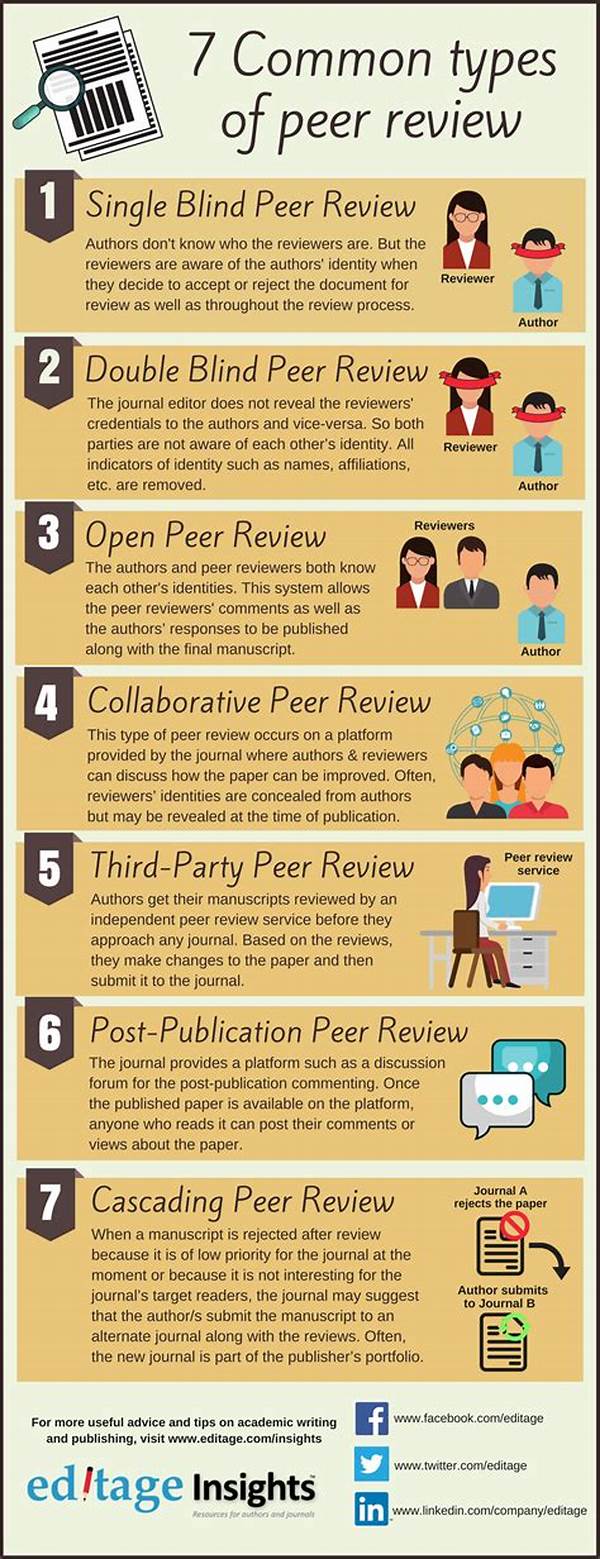
Despite the benefits, executing peer review techniques for academic writing is not without challenges. One common issue is the potential for bias, where personal opinions or relationships may cloud objectivity. This can be mitigated by implementing a double-blind review process, where both reviewers and authors remain anonymous. Another challenge is managing time effectively, as reviewers must balance peer reviewing with other academic duties.
Conflicting reviews can also pose a challenge. When different reviewers provide differing feedback, it can complicate the revision process for authors. Addressing this requires careful synthesis of reviews, focusing on consensus points and acknowledging divergent perspectives where necessary.
Conclusion
The peer review process remains an indispensable tool in scholarly publishing, ensuring that academic writing meets rigorous standards of quality and relevance. Through the application of effective peer review techniques for academic writing, both reviewers and authors can contribute to the advancement of knowledge across various fields of study. By embracing structured feedback, maintaining a balanced perspective, and prioritizing communication, the process becomes a mutually beneficial experience. Furthermore, by understanding and addressing the challenges inherent in peer review, the academic community can continue to uphold the integrity and excellence that are hallmarks of scholarly research.
Summary of Peer Review Techniques
In summary, peer review techniques for academic writing play a crucial role in refining scholarly work, facilitating a dialogue between authors and their peers. This process not only improves the quality and impact of academic articles but also fosters a collaborative spirit within the academic community. Implementing structured and constructive feedback, along with prioritizing significant issues, helps enhance the overall quality of manuscripts. Effective time management is essential, ensuring timely feedback that allows authors to make necessary revisions without undue delay.
Moreover, encouraging open communication between reviewers and authors creates a transparent and supportive review process. This connection aids in clarifying misunderstandings and aligning perspectives, ultimately leading to more impactful scholarly contributions. Addressing challenges like bias and conflicting feedback requires careful consideration and the adoption of ethical practices, maintaining the credibility and fairness of the peer review process. By continuously honing their skills and understanding the nuances involved, both reviewers and authors can ensure that academic writing remains a robust and vital component of scholarly discourse.