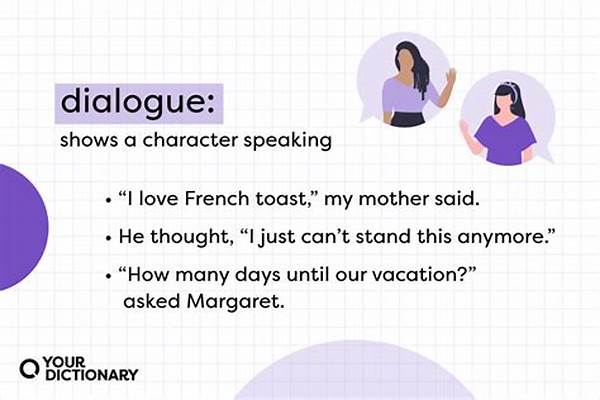
Writing dialogue that effectively represents the unique voice of each character can breathe life into your storytelling. It’s about more than just words on a page; it’s about crafting conversations that reflect personality, emotion, and growth. By focusing on distinct character dialogue techniques, writers can create rich, believable interactions that deepen engagement and authenticity in their narratives.
Understanding Dialogue Dynamics
When it comes to distinct character dialogue techniques, understanding the dynamics of dialogue is crucial. Characters in a story, much like people in real life, have their own ways of expressing themselves, influenced by their backgrounds, experiences, and personalities. To craft distinct character dialogue effectively, it’s essential to consider the character’s individual traits and how these influence their speech patterns. For example, a character from a rural background might use colloquialisms or distinctive regional slang, while an educated scientist might favor technical jargon and precise language. Additionally, the context of the conversation can affect how a character speaks. The stress of a life-threatening situation might strip their dialogue down to terse, clipped sentences, while a relaxed scene could invite a more leisurely and descriptive exchange. These techniques ensure that each character’s dialogue stands out in a natural and authentic manner, enhancing the overall storytelling experience.
Practical Techniques for Distinct Dialogue
1. Character Backstory: Use a character’s history to inform language style and vocabulary, ensuring their dialogue feels real.
2. Speech Patterns: Develop unique patterns—some characters might use short, abrupt sentences, while others are more verbose.
3. Accents and Dialects: Carefully incorporate accents to suggest geographical or cultural backgrounds without overwhelming the reader.
4. Emotional Indicators: Use specific words or phrases that hint at a character’s current emotional state, enriching their dialogue.
5. Varying Formality Levels: Adjust the formality of speech depending on social status or the relationship between characters to maintain authenticity.
Crafting Realistic Conversations
Incorporating distinct character dialogue techniques adds depth to your story, making conversations more engaging and realistic. By allocating individual speech styles to different characters, you’re not only conveying information but also portraying character development and relationships. This technique creates dialogues that are evocative and meaningful, allowing readers to intuitively understand and connect with each character’s personality. When done effectively, readers can almost hear each character speak, complete with their unique inflections and rhythms, making the story world more tangible and immersive. This attention to dialogue detail can greatly enhance the reader’s experience, drawing them deeper into the narrative and making them more invested in the characters and their journey.
The Art of Dialogue in Characterization
Using distinct character dialogue techniques effectively can transform dialogue from mundane to magical. These techniques offer a glimpse into the very soul of a character, revealing their inner thoughts and emotions. Writers need to pay careful attention to how a character’s dialogue reflects their development over the course of the story. Dialogue is not a static tool but a dynamic part of storytelling; it can show change, resistance, and growth, contributing significantly to the pacing and tension within the narrative. Through well-crafted dialogue, characters come to life, bringing authenticity and dovetailing seamlessly into the story’s overarching themes. Each line of dialogue should serve a purpose, be it advancing the plot, revealing character traits, or exploring thematic elements, making it an indispensable tool in any writer’s arsenal.
Engaging Readers with Dialogue
Distinct character dialogue techniques are key to capturing a reader’s attention and holding it throughout the narrative. By ensuring each character has a unique voice, readers can easily differentiate between characters, even without dialogue tags. This clear differentiation aids comprehension and keeps the storyline fluid and engrossing. A reader invested in realistic, diverse dialogue is often more emotionally connected to the story, empathetic to characters’ plights and more tuned into the unfolding drama. It’s not just about what’s happening but how it’s communicated between characters that can dictate a story’s success with its audience. Dialogue should feel effortless and natural, resonating with readers and leaving a lasting impact. By mastering these techniques, writers can craft compelling, unforgettable stories that engage audiences from start to finish.
Building Character Through Dialogue
Dialogue is an essential tool in defining characters and making them memorable. When using distinct character dialogue techniques, writers are actively giving life to their characters. Each line of dialogue can serve as a window into the character’s world, revealing their desires, fears, and motivations. A well-placed pause or a uniquely structured sentence can tell volumes about a character even without explicit description. This method also allows the audience to experience the story as it is told through the distinctive voices of its characters — a crucial component in the storytelling process.
Summary of Dialogue Techniques
In summary, distinct character dialogue techniques are invaluable in creating narratives that resonate with authenticity and engagement. By giving each character a unique voice, storytelling transforms dialogue from mere communication into a powerful narrative force. Through carefully crafted conversations, writers can explore a character’s inner world, shed light on their relationships, and drive the plot forward seamlessly. These techniques enhance the realism of the dialogue, keeping readers involved and invested in the characters’ journeys. Ultimately, mastering these techniques empowers writers to tell stories that are not only engaging but also profoundly impactful, leaving a lasting impression on readers’ minds long after they’ve turned the final page.