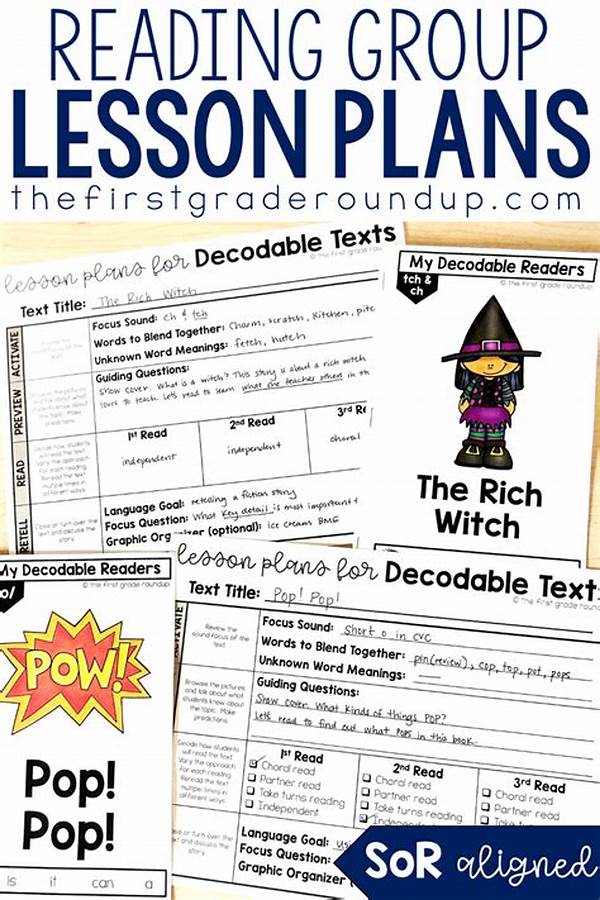
Reading groups can be a delightful way to deepen our understanding of literature while fostering a sense of community. The key to a successful reading group often lies in the prompts used to guide discussions. Developing insightful reading group prompts can unlock the potential for spirited conversation and thought-provoking dialogue. Whether you are a seasoned facilitator or just starting out, crafting effective prompts is an essential skill that encourages participants to dive deeper into texts, share their perspectives, and learn from one another.
The Art of Crafting Questions for Reading Groups
Creating engaging and insightful questions is essential in developing insightful reading group prompts. Start by understanding the essence of the book or article at hand. Consider the themes, the author’s intentions, and the emotions that the text evokes. Craft questions that encourage participants to explore these elements on a deeper level. For example, instead of asking straightforward questions like “What happened in Chapter 3?”, try something more probing such as “How did the author’s portrayal of the protagonist’s struggle reflect larger societal issues?”
Next, ensure that your prompts are open-ended, allowing for different interpretations and perspectives. This encourages a rich exchange of ideas. Encourage group members to relate the text to their own experiences or to current events. These comparisons can lead to a more dynamic and inclusive discussion, not only on the specific content but on broader themes as well.
Lastly, it’s important to maintain a balance between guiding the conversation and allowing it to flow naturally. Prompts should act as starting points, not strict guidelines. Use them to gently steer discussions back on track when needed but remain open to unexpected insights that can emerge during conversation. Developing insightful reading group prompts helps elevate the group’s interaction from simply discussing a book to truly engaging with it.
Key Considerations in Developing Reading Group Prompts
1. Understand the Material: Familiarize yourself with the book’s themes and characters. Developing insightful reading group prompts stems from a deep understanding of the text.
2. Encourage Personal Connections: Craft questions that connect the book to participants’ personal experiences, bringing discussions to life.
3. Foster Open Dialogues: Create open-ended prompts for varying interpretations, promoting richer group discussions.
4. Challenge Perspectives: Develop prompts that encourage members to consider alternative viewpoints, fostering critical thinking.
5. Maintain Flexibility: While developing insightful reading group prompts, ensure they serve as discussion starters, not limits.
Effective Approaches to Insightful Prompts
Embarking on the journey of developing insightful reading group prompts begins with recognizing the power of curiosity. Open-ended questions are at the heart of productive discussions, creating a space where participants feel encouraged to share divergent viewpoints without judgment. These prompts act as bridges, connecting the text to personal journeys, experiences, and the world at large.
Start crafting your prompts by identifying key themes and characters within the text. Ask questions such as “What motivates the protagonist, and how does this reflect larger societal issues?” or “How does setting influence the narrative’s tone?” These questions extend beyond plot summary, requiring members to exercise critical thinking and draw connections between readings and broader contexts.
Furthermore, incorporating prompts that explore characters’ motivations and ethical dilemmas can lead groups into robust debates and deeper reflections. By doing so, each member can offer personal insights, creating a tapestry of interpretations that enriches the group’s understanding of the text. Developing insightful reading group prompts is an ongoing process that thrives on an atmosphere of open-minded exploration.
Characteristics of a Natural Sounding Language in Prompts
1. Conversational Tone: Natural language mirrors everyday discourse, making prompts feel less like examination questions and more like friendly dialogues.
2. Clarity and Simplicity: To ensure understanding, the language of prompts should be clear and straightforward.
3. Engagement and Connection: Prompts should invite participants to draw parallels to real-world issues or personal experiences, enhancing engagement.
4. Flexibility in Interpretation: Effective prompts use a language that welcomes multiple viewpoints and diverse interpretations, encouraging lively debates.
5. Relevance and Contextuality: Ensure the language of prompts reflects current, relatable issues, so discussions feel meaningful and timely.
By understanding these nuances, you can create prompts that are both insightful and relatable, enhancing the reading group experience.
Exploring Language for Reading Group Prompts
Developing insightful reading group prompts relies heavily on the language used. The choice of words can set the tone for a respectful and engaging conversation. Utilizing a natural sounding language is key; it allows participants to feel comfortable and more likely to share their thoughts openly.
A natural sounding language prioritizes authenticity and relatability. Instead of complicated jargon or academic language, using everyday language helps demystify complex ideas and makes them accessible to everyone in the group, regardless of their background. This approach not only builds understanding but also fosters a welcoming atmosphere. Furthermore, it’s essential to pose questions that reflect the members’ everyday realities and current societal matters, bridging the gap between the text and the world participants inhabit.
The power of developing insightful reading group prompts lies in their ability to transform reading into a collaborative exploration. By listening actively and responding with interest, every participant can contribute to a deeper understanding of the text. It is in this shared space of curiosity and openness that true insight is born, cultivated by thoughtful prompts and engaged minds.
Conclusion: Crafting a Language for Thoughtful Dialogue
Natural sounding language in developing insightful reading group prompts plays an integral role in setting the stage for enriching discussions. Simplicity in language bridges comprehension among group members, allowing participants to freely express their unique interpretations. Moreover, by aligning prompts with themes resonant in everyday life, facilitators spark inspiration and reflection.
The art of creating these prompts is not solely about asking questions; it’s about fostering an environment where genuine dialogue flourishes. By focusing on key elements such as clarity, relevance, and engagement, the prompts become vehicles for thoughtful exploration, leading to conversations that extend beyond the page.
At the heart of developing insightful reading group prompts is an unwavering commitment to curiosity and understanding. With every question posed and every answer shared, participants embark on a journey to uncover layers of meaning within the text and within themselves. In this collaborative venture, each member’s contribution becomes a vital part of a richer, collective knowledge.