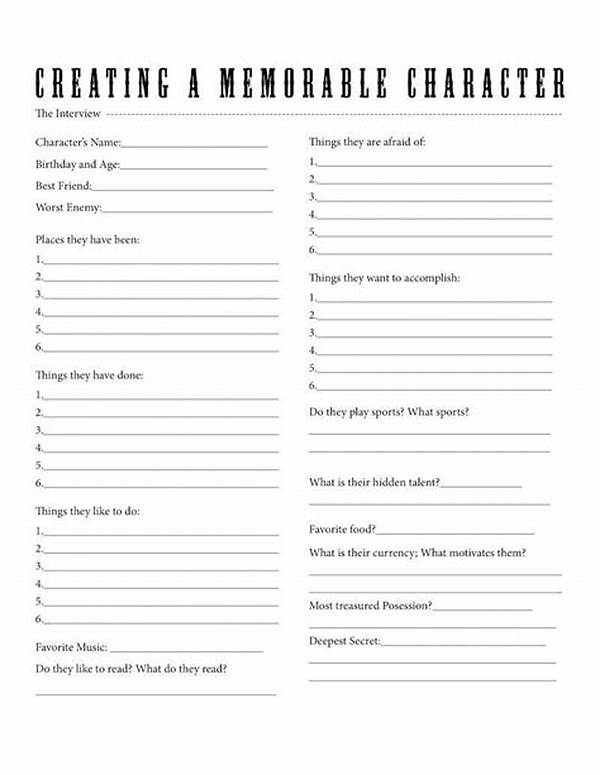
When embarking on the journey of writing or voice acting, creating memorable character vocal styles is an essential skill that brings stories and performances to life. Crafting distinct and memorable voices can elevate characters from mere words on a page to vivid personalities that resonate with audiences. In this article, we’ll delve into the art of developing unique vocal styles for characters, providing insights and tips to help you enrich your storytelling or acting repertoire.
Understanding the Importance of Vocal Styles
Creating memorable character vocal styles involves delving deeper into a character’s background, emotions, and motivations. A well-crafted vocal style can reveal a character’s age, origin, personality, and even their emotional state without a single word of dialogue. For instance, a soft-spoken voice might suggest a shy or introverted individual, while a booming voice could convey confidence or authority. By understanding and utilizing these vocal nuances, creators can add an extra layer of depth and authenticity to their characters.
The creative process in crafting vocal styles is both intuitive and technical. It requires a keen ear to distinguish subtle differences in tone, pitch, and resonance. Experimentation is key; trying out different accents, tempos, and vocal qualities can lead to a unique style that fits perfectly with the character in question. Additionally, studying accents or learning about different cultural influences can enrich your vocal toolbox, offering a wide range of possibilities for character voice creation.
Ultimately, creating memorable character vocal styles is about making meaningful connections with the audience. A memorable voice can linger in the minds of the audience long after the story has ended, making the characters unforgettable. By focusing on this aspect, writers and voice actors can ensure their work leaves a lasting impact, engaging audiences through the power of distinctive, well-developed character voices.
Techniques for Developing Vocal Styles
1. Character Backstory Exploration: Creating memorable character vocal styles starts with understanding the character’s history. A detailed backstory provides the foundation for vocal traits that align with their experiences and identity.
2. Experimenting with Accents: Diverse accents can add authenticity and richness. Trying out various regional or fictional accents can bring your characters to life and make them more engaging and believable.
3. Adjusting Tone and Pitch: Modulating tone and pitch helps in portraying different emotions. A slight change in these aspects can signify whether a character is angry, joyful, or contemplative, adding depth to their personality.
4. Utilizing Physicality: Body language can influence vocal delivery. How a character stands or gestures can impact their vocal style. Understanding this link aids in creating memorable character vocal styles.
5. Recording and Playback: Listening to recordings of your own attempts at character voices allows for constructive self-critique, helping to refine and perfect vocal styles over time.
Elements of a Memorable Vocal Style
When it comes to creating memorable character vocal styles, there are certain key elements that can help you achieve that unique voice. These elements serve as the building blocks for a vocal style that stands out and resonates with audiences.
Firstly, consistency is crucial. A character’s voice should remain consistent throughout your work to avoid confusing the audience. Secondly, consider the rhythm of speech. Whether fast-paced and energetic or slow and deliberate, the rhythm can say a lot about a character’s personality. Thirdly, don’t forget about volume. A character’s volume can indicate their normal emotional state or amplify a particular emotion when needed.
Additionally, adding unique quirks or speech patterns can make characters more recognizable. Whether it’s a stutter, a certain phrase they often repeat, or a distinctive laugh, these small touches can make characters more relatable and engaging. Lastly, the adaptability of a voice to different situations is key. Characters might alter their voices in different emotional or situational contexts, and capturing this can make them more realistic and engaging.
Tips for Mastering Vocal Styles
1. Active Listening: Observe and analyze real-life voices with a keen ear. This practice can provide insight and inspiration for creating memorable character vocal styles.
2. Voice Acting Exercises: Regularly practicing specific vocal exercises can improve control and range, enabling you to achieve varied vocal styles effectively.
3. Feedback from Peers: Sharing your work with trusted friends or colleagues can provide valuable feedback, helping you refine and enhance your vocal stylings.
4. Maintaining Vocal Health: Proper vocal health is essential. Ensuring your voice is in peak condition aids in the consistent creation of character styles without strain or damage.
5. Engage with Different Media: Exposure to diverse media, such as audiobooks or animated series, can broaden your understanding of existing vocal styles and open avenues for innovation.
Challenges and Solutions in Vocal Style Creation
Developing vocal styles for characters can present certain challenges, but understanding how to overcome these hurdles is part of the creative process. Often, the first challenge is consistency. Maintaining the same vocal style over a lengthy project requires a solid grasp of its nuances and characteristics. Recording reference samples can serve as a reliable guide.
Secondly, there is the problem of distinctly differentiating characters when a single actor voices multiple roles. Variation in pitch, pace, and diction can help create clear distinctions. When crafting these styles, balancing distinctiveness with authenticity is another common challenge. Ensure that unique voices do not overstep into stereotypes or caricatures. Thorough research and sensitivity to cultural nuances can help avoid these pitfalls, ensuring that your vocal creations are both engaging and respectful.
Enhancing your vocal versatility with practice and feedback can mitigate these challenges. Testing your range, experimenting with new techniques, and seeking constructive criticism will lead to improvement. With time, patience, and persistence, creating memorable character vocal styles becomes an achievable goal, enriching your storytelling or voice acting endeavors.
Conclusion
In conclusion, creating memorable character vocal styles is a multifaceted art that combines creativity, technical skill, and a deep understanding of human expression. Whether you’re a writer aiming to make your characters leap off the page or a voice actor seeking to enhance your performances, the importance of distinctive vocal styles cannot be underestimated. Through exploration, experimentation, and continuous practice, you can develop voices that captivate and resonate long after the story concludes.
Excellent vocal styles serve not only to demarcate different characters but also to provide insight into their personalities and journeys. Each voice is an opportunity to delve into a character’s soul, revealing their intentions, struggles, and dreams. As you embark or continue on your creative journey, remember that the process of creating memorable character vocal styles is as rewarding as the final result. Let your characters’ voices shine through and carry their stories with authenticity and flair.