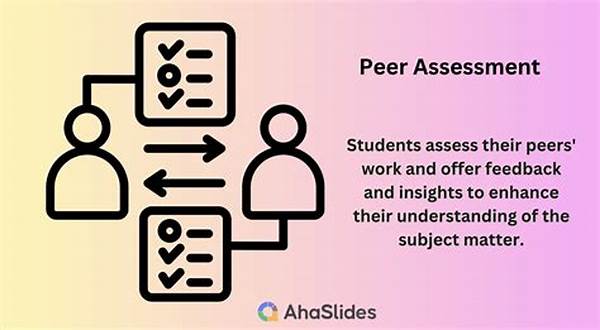
Narrative crafting is an art, a process filled with creativity and precision. In the world of writing, stories need more than just a plot; they require depth, emotion, and seamless narration. Enter peer assessment, a valuable tool in narrative crafting. When writers open their drafts to peer review, they invite fresh perspectives, constructive criticism, and insightful suggestions. This collaborative approach encourages writers to hone their craft, bringing out a richer narrative tapestry.
Enhancing Storytelling Through Peer Assessment
The collaborative nature of peer assessment in narrative crafting breathes new life into stories. It’s like inviting a team of experts to scrutinize each element of your narrative. From character development to plot structure, peers can spot what’s working and what isn’t. The feedback often prompts writers to explore angles they hadn’t considered, leading to a more nuanced and engaging storyline. Ultimately, peer assessment turns individual creative efforts into a shared journey, infusing stories with diversity and depth.
Key Benefits of Peer Assessment
1. Broader Perspectives: Peer assessment in narrative crafting brings diverse views, enhancing the story’s richness.
2. Constructive Criticism: Constructive feedback can reveal plot holes or character inconsistencies.
3. Enhanced Creativity: New ideas and angles emerge during peer discussions.
4. Skill Development: Receiving and giving feedback improves critical thinking and writing skills.
5. A Sense of Community: Collaborative writing fosters a supportive network.
Fostering Growth through Collaboration
Peer assessment in narrative crafting serves as a catalyst for personal growth and skill enhancement. Writers often find their peers’ feedback a mirror reflecting their narrative strengths and weaknesses. This process acts as a learning curve, pushing writers to evolve their style, structure, and storytelling techniques. The observations and suggestions not only refine a specific piece but also contribute to the writer’s overall growth, building their confidence and competence in crafting captivating narratives. The shared journey makes the writing process less solitary and more interactive, enriching both the writer and the narrative.
Techniques for Effective Peer Assessment
1. Active Listening: Engage genuinely with the work and offer thoughtful advice.
2. Balanced Feedback: Highlight strengths and areas for improvement.
3. Encourage Specificity: Offer concrete examples to illuminate points.
4. Nurture Open Dialogue: Create a safe space for discussion and collaboration.
5. Document Feedback: Written notes help track suggestions and changes.
6. Focus on Structure: Assess pacing, coherence, and narrative flow.
7. Character Analysis: Evaluate depth and development of characters.
8. Thematic Consistency: Ensure themes are present and consistent.
9. Language and Style: Provide insights on linguistic clarity and style.
10. Follow-up Discussions: Allow for clarifications and further improvement.
Crafting a Narrative with Natural Sounding Language
A captivating story relies heavily on natural sounding language. When a narrative flows effortlessly, readers become lost within its pages. Peer assessment in narrative crafting plays a crucial role in achieving this objective. By incorporating peers’ feedback, writers often discover how to seamlessly integrate dialogue, descriptions, and prose into a cohesive and accessible piece. Such natural language draws readers into the world crafted on the page, making characters relatable and plots compelling. Writers learn to align their unique voice with language that resonates with readers, enhancing the narrative’s impact.
Summary of Natural Sounding Language in Narrative Crafting
Peer assessment in narrative crafting acts as a transformative force, guiding writers toward using natural sounding language. The iterative process, driven by feedback from different viewpoints, encourages writers to maintain authenticity and relatability. Whether it’s dialogue or descriptive passages, natural language acts as the bridge connecting the reader to the narrative. The aim is to ensure that readers find the story accessible, engaging, and intensely human. Through collaborative refinement, the narrative becomes not just a string of words but a vibrant, living experience.