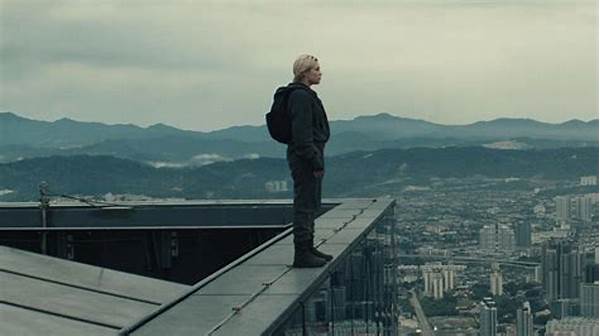
Crafting a gripping start to your story involves creating an atmosphere of suspense that captivates readers from the first sentence. The trick lies in subtly weaving tension and intrigue while also introducing key elements of your narrative. A suspenseful opening scene sets the tone for your entire story, drawing readers in by sparking their curiosity and leaving them yearning for more. Whether it’s a pulse-quickening thriller or an eerie mystery, mastering the art of building suspenseful opening scenes is crucial for any storyteller aiming to hook their audience right from the outset.
The Importance of Setting the Scene
To master the art of building suspenseful opening scenes, it’s essential to understand the role of setting in creating tension. The environment where your opening scene unfolds can serve as a silent character, influencing the mood and escalating the suspense. Whether it’s a deserted alley shrouded in shadows or a bustling cityscape at dusk, the setting establishes immediate context. By leveraging vivid imagery and meticulously chosen details, writers can evoke a sense of unease or anticipation. This atmospheric groundwork not only captivates readers but also anchors them firmly within the world you’re constructing. It’s about weaving a sense of place that breathes life into the suspense, making every footstep echo with potential danger or mystery.
Techniques for Crafting Suspense
1. Start with a Bang: Building suspenseful opening scenes often involves launching directly into action, jolting readers into the storyline with immediate tension.
2. Use the Unknown: Deliberately withholding information can intrigue the reader, letting the mystery simmer and gradually unfold the complexities of the plot.
3. Create Relatable Stakes: Presenting relatable stakes helps in amplifying the suspense, as readers become emotionally invested in the characters’ outcomes.
4. Introduce Uncertainty: Incorporating elements of unpredictability keeps readers on edge, making them question what will happen next in your unfolding story.
5. Employ Strong Sensory Details: Building suspenseful opening scenes means engaging the senses, drawing the reader deep into the atmosphere through sight, sound, and touch.
Characters in the Spotlight
The characters you introduce in the opening scene play a pivotal role in building suspense. Readers should immediately sense that there is more to your characters than meets the eye. A well-crafted, enigmatic character can create layers of intrigue, setting the stage for developing tension. Through hints of a hidden past or an unspoken secret, these characters should kindle the reader’s desire to unravel the layers. Building suspenseful opening scenes hinges on creating characters whose goals and motivations are complex, pulling readers into a web of twists and turns.
Crafting Dialogue that Unnerves
Dialogue is a powerful tool in building suspenseful opening scenes. The right exchange can provide subtle clues while leaving much to the imagination, allowing readers’ minds to fill in the blanks with tension-inducing possibilities. Mastering the art of writing dialogue that is both revealing and cryptic requires a keen ear for natural speech patterns. Hint at underlying conflicts or unresolved issues that set the stage for what’s to come. Unexpected pauses, interruptions, and loaded silences can effectively augment the suspense, transporting readers into a narrative pregnant with potential danger or revelation.
The Role of Pacing in Suspense
Equilibrium between fast-paced action and slower, reflective moments is crucial in building suspenseful opening scenes. Pacing affects how tension is distributed throughout the story, controlling the ebb and flow of excitement and anxiety. By skillfully managing the narrative tempo, writers can ensure the suspense doesn’t plateau or dissipate too quickly. Carefully timed shifts in pace can escalate action at crucial moments, keeping readers on the edge of their seats. It’s about balancing momentum, allowing sudden bursts of energy to punctuate steady-building tension. This kind of measured suspense becomes a compelling force that drives the narrative forward.
The Art of Suggestion
In building suspenseful opening scenes, sometimes what isn’t said is as important as what is. The art of suggestion involves planting seeds of doubt and curiosity in the reader’s mind without providing full disclosure. By hinting at hidden threats or unanswered questions, writers cultivate a fertile ground for suspense. This technique relies heavily on implication, leaving room for the audience to project their fears and interpretations onto the narrative. A suggestion creates a sense of mystery and unpredictability that can heighten readers’ emotional response as they attempt to piece together the clues provided. This elusive quality draws them deeper into the twists and turns of the unfolding story.
Concluding Thoughts on Building Suspense
In conclusion, building suspenseful opening scenes involves a delicate balance of elements designed to intrigue, thrill, and captivate your audience. The interplay between setting, character, dialogue, and pacing works to establish a gripping narrative that resonates with tension. By understanding and mastering these components, writers can create openings that not only draw readers in but also set the tone for a memorable storytelling experience. As you embark on crafting your own suspenseful scenes, remember that the aim is to ignite readers’ imaginations and anticipation, inviting them to unravel the mysteries you’ve so skilfully set in motion.