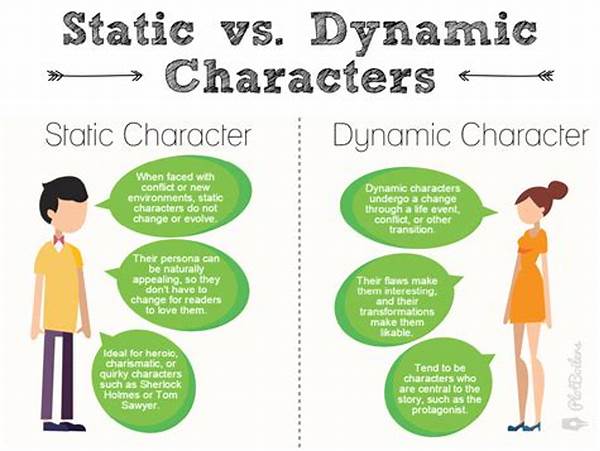
Creating captivating, multi-dimensional characters is an essential skill for any writer. Characters are the heart of any story, and their development is crucial to engaging readers. Dynamic characters are appealing because they evolve, adapting to the story’s unfolding events and revealing new facets of their personalities. So, what are some effective techniques for dynamic character traits?
Understanding Dynamic Characters
Dynamic characters undergo significant growth throughout a narrative, setting them apart from static characters who remain unchanged. Techniques for dynamic character traits involve enabling these transformations in compelling ways. These characters start with a set of established traits that, while initially appealing, reveal layers as they face conflicts and challenges. A well-crafted dynamic character displays a trait evolution that feels natural and believable, urging readers to invest emotionally. Their transformations are driven by internal realizations, initiating changes in behavior and mindset, thus enriching the storyline.
To create such characters, it’s vital to understand their backstories and motivations. These elements contribute to their initial perspectives, influencing how they respond to various situations. As the story progresses, techniques for dynamic character traits encourage characters to confront these views critically. This confrontation often leads to an awakening, fostering growth that can intrigue readers, leaving them eager to discover the character’s fate as they turn each page. The idea is to create a journey where the character’s internal and external developments resonate with audiences, making their narrative arc a powerful element within the story.
Crafting the Character Arc
Crafting a dynamic character arc involves several techniques for dynamic character traits, focusing on transformation. First, ensure characters face meaningful conflicts that challenge their core traits. This conflict is the catalyst for growth. Secondly, allow them to make mistakes, fostering authenticity and relatability. Thirdly, use supporting characters to reflect changes, providing feedback on the protagonist’s growth. Additionally, incorporate gradual change, ensuring transitions feel organic rather than abrupt. Lastly, ensure the resolution of the character arc is satisfying, reflecting a clear journey of growth and self-awareness. These strategies help in developing characters that resonate with realistic and evolving traits.
Techniques for Developing Compelling Traits
Dynamic characters captivate audiences through well-crafted techniques for dynamic character traits. A crucial method is to ensure that the character undergoes believable transformations. This involves creating scenarios where the character’s understanding of themselves is challenged, prompting introspection and adjustment. Such changes are frequently driven by the complexities of the plot, where the character faces moral dilemmas or conflicting desires, forcing them to reassess their priorities and values.
Another effective technique is to give the character a flaw or vulnerability that they must confront. The journey of overcoming or learning to accept these flaws can be a powerful narrative tool, showing growth and maturity. In doing so, the character’s development becomes intimately tied to their interactions within the story, inviting the reader to experience this evolution alongside them. This gradual unfolding ensures that the narrative does not rely on sudden epiphanies but rather a believable progression, encouraging deeper emotional engagement.
Techniques for Engaging Storytelling
Exploring techniques for dynamic character traits, one finds that these methods are pivotal in engaging storytelling. Characters should start their journey with well-defined goals or desires, which over time, face challenges that force reevaluation. Characters might find that their initial goals are flawed or incomplete, spurred by deeper, perhaps previously unrecognized, emotions.
1. Characters should frequently face moral ambiguities, leading to shifts in perspective.
2. Flashbacks offer insights into formative events, providing context for current traits.
3. Use symbolism to reflect inner changes—this visual representation resonates with readers.
4. Dialogue can reveal internal conflicts, showing progression through conversations.
5. Relationships are critical; evolving dynamics with other characters highlight development.
The Art of Subtle Growth
When employing techniques for dynamic character traits, subtlety is key. Characters should exhibit gradual growth that is tethered to the narrative’s pacing, avoiding superficial or overly dramatic changes. This nuanced alteration demonstrates depth and complexity, ensuring the character’s journey aligns with the thematic elements of the story. Implicit transformations can be revealed through small actions or decisions, symbolizing inward reflection and change.
Introducing conflicts that are relatable to audiences enhances the realness of the character’s evolution, ensuring the traits are not just believable but also resonate emotionally with readers. Offering readers a glimpse into the character’s internal thoughts allows for an enriched understanding of their motivations, presenting a multidimensional personality that defies simple categorization. These techniques for dynamic character traits are powerful in creating immersive and compelling narratives.
Focusing on continuous growth throughout the storyline fosters a character development arc that reinforces the story’s theme and moral undertones. These characters learn, adapt, and respond to the environments crafted around them by the author, making their transformation both cohesive and engaging. By portraying realistic growth, a story becomes a powerful bridge linking the character’s journey with the reader’s own experiences, creating an unforgettable narrative.
Exploring Inner Conflicts
One effective method within techniques for dynamic character traits is to delve into inner conflicts. These conflicts often serve as the driving force behind a character’s evolution. By grappling with their internal dilemmas, characters are forced to confront aspects of themselves that they may have previously ignored or denied. This ongoing battle can reflect broader themes within the story and provides readers with a deeper understanding of the character’s psyche.
Through techniques for dynamic character traits, a story’s pacing can be enhanced by allowing characters to evolve at a believable rate. As characters navigate through their tangled emotions and past experiences, they create moments of introspection that fuel their growth. These internal struggles are mirrored in their actions, making their development both satisfying and impactful. Their reactions to these conflicts often lead to epiphanies or gradual realizations that transform their viewpoints, bridging the gap between reader and character.
Summary: Synthesizing Growth
Mastering techniques for dynamic character traits requires an intricate balancing act of narrative elements. The key lies in weaving character growth seamlessly into the story’s fabric. To truly engage readers, dynamic characters should experience a transformation that feels organic and authentic. Anchoring these changes in well-constructed conflicts ensures their growth is logical and relatable.
Using techniques for dynamic character traits involves not just addressing external events but also crafting a profound internal journey. As characters evolve, their transformations become symbolic of the broader story, offering readers a personal touchpoint that connects emotionally. This synthesis of character and narrative arc not only enriches the plot but also provides a story with lasting impact. Whether through bold decisions or subtle shifts, dynamic characters breathe life into the tale they inhabit, making the reading experience unforgettable.