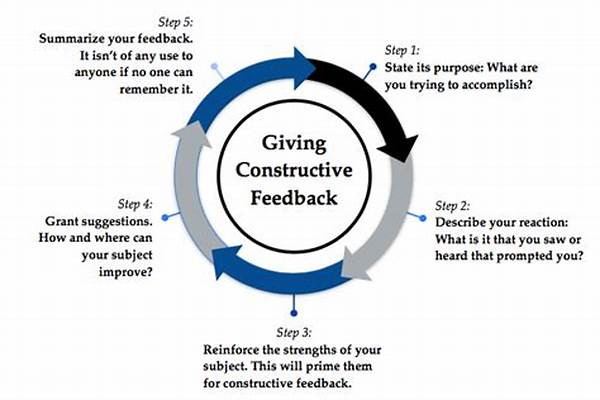
Providing feedback is an essential part of communication, whether in a professional setting, in education, or even in personal relationships. However, giving feedback that is genuinely constructive can be a bit of an art form. It requires sensitivity, clarity, and an understanding of the context in which the feedback is being delivered. In this article, we will explore some effective techniques for giving constructive feedback, ensuring that your message is heard and acted upon positively.
Understanding Constructive Feedback
When we talk about techniques for giving constructive feedback, it’s important to understand what we mean by ‘constructive’. This type of feedback goes beyond simple criticism. It’s designed to support growth, learning, and development by focusing on positive change. Constructive feedback should be actionable, meaning it provides specific recommendations that can be implemented rather than vague or unhelpful remarks.
For instance, instead of saying “You need to improve your work,” a more constructive approach would be “I believe you could enhance your project by refining the presentation format to include more visuals.” The aim is to offer guidance rather than just point out flaws. By personalizing feedback and making it relevant to the individual’s goals, you’re more likely to motivate them for improvement. Techniques for giving constructive feedback also emphasize balancing the positive with the negative, ensuring that the recipient doesn’t feel attacked or demoralized.
Five Essential Techniques for Feedback
1. Be Specific: One of the most crucial techniques for giving constructive feedback is to be specific about what needs improvement and why.
2. Focus on Behavior, Not the Person: Emphasize the actions rather than personal traits, which helps maintain professionalism and respect.
3. Use ‘I’ Statements: Framing feedback with ‘I’ statements can prevent the recipient from feeling blamed and fosters openness.
4. Foster a Dialogue: Encourage two-way conversation to allow for clarity, understanding, and mutual agreement on ways forward.
5. Time Your Feedback Well: Effective techniques for giving constructive feedback include giving feedback soon after the observed behavior, while it’s still fresh.
Crafting the Message
In applying techniques for giving constructive feedback, the way you express your message can significantly impact its reception. Words are powerful, and a poorly chosen phrase can overshadow even the best intentions. Therefore, it’s beneficial to consider using language that is calm and supportive. This sets the stage for a productive dialogue rather than confrontation.
For example, phrases like “Have you considered…” or “It might be helpful to…” rather than “You should…” can create a cooperative atmosphere. This subtle difference can make feedback feel like a shared endeavor. Techniques for giving constructive feedback suggest that incorporating empathetic language shows that you acknowledge and understand the recipient’s perspective. This empathy can pave the way for acceptance and willingness to act on the feedback.
Crafting Feedback: Strategies and Examples
When detailing techniques for giving constructive feedback, it’s essential to have practical strategies at hand. An initial step is to observe and take note without jumping to conclusions. Inform your feedback with evidence and examples that illustrate your points without ambiguity. This data-driven approach means the feedback is based on facts rather than opinions. Being open to receiving feedback yourself can also build trust, as it shows the process is collaborative.
Delivery Matters
One of the primary techniques for giving constructive feedback is considering the setting and method of delivery. A face-to-face conversation is usually preferable as it allows for real-time dialogue and physical cues. Choose a private, neutral location to ensure comfort and confidentiality. Also, pay attention to your tone of voice, maintaining a level and friendly demeanor to ensure that the feedback is encouraging rather than embarrassing.
Avoid information overload by addressing one or two key issues at a time. This makes the feedback manageable and easy to digest. Follow up with positive reinforcement to remind the recipient of what they’re doing well. Techniques for giving constructive feedback acknowledge the need for balance to sustain motivation and positivity.
Practice Makes Perfect
Implementing techniques for giving constructive feedback takes practice. It’s a skill that is honed over time and with experience. Begin by setting small goals for your feedback sessions. Maybe aim to provide feedback once a week within your team or circle, gradually increasing frequency as you become more comfortable. Reflect on feedback you’ve received and note what was effective or what missed the mark, using this insight to shape how you deliver your own.
Soliciting feedback about your feedback can be invaluable. It provides insight into how your approach is perceived and what areas might still need refinement. Over time, these habits will enhance your ability to communicate constructively, fostering stronger relationships and improved outcomes.
Bringing It All Together
In summary, mastering techniques for giving constructive feedback can significantly enhance any relationship, be it personal or professional. Clear, empathetic, and actionable feedback not only aids in individual development but also strengthens teamwork and productivity. By focusing on specific behaviors, maintaining a positive tone, and fostering an open dialogue, feedback becomes a tool for growth rather than a source of anxiety.
As you integrate these techniques for giving constructive feedback into your daily interactions, remember that constructive feedback is as much about listening as it is about speaking. By showing a willingness to understand and adapt, you create an environment where feedback is a mutually beneficial conversation, rather than a one-sided exchange of words.