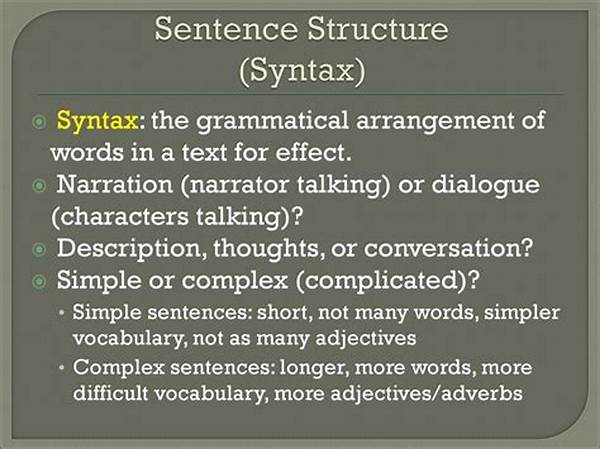
The ability to distinguish between characters in writing goes beyond simple dialogue tags or character descriptions. It’s an art form where syntax acts as the brush, painting each character with unique strokes. By meticulously crafting sentence structure, word choice, and rhythm, authors breathe life into their creations, making each character’s voice distinct and memorable.
The Role of Syntax in Character Differentiation
When it comes to differentiating characters using syntax, the nuanced choices writers make in their sentence structures play a pivotal role. Syntax is not just about grammar rules but an artistic tool that can define a character’s voice. For instance, consider a character who speaks in long, flowing sentences filled with intricate vocabulary. This syntax can signal sophistication or academic prowess. Conversely, a character who communicates in short, blunt phrases might come across as brusque or straightforward.
Through differentiating characters using syntax, writers give readers subtle yet powerful clues about personality, background, and demeanor. A character’s thought process can be illustrated through the rhythm and cadence of their speech. For instance, frequent use of questions could indicate curiosity or indecisiveness, while definitive statements may reflect confidence. In this way, syntax not only conveys content but builds a deeper understanding of who a character really is.
Ultimately, differentiating characters using syntax helps in creating a layered narrative where characters stand apart from one another. This distinction is vital in keeping a story engaging and relatable. When readers can hear the distinct voices of characters in their heads, the story world becomes more immersive and believable, leading to a more enriched reading experience.
Five Key Ways Syntax Differentiates Characters
1. Vocabulary Choices: Differentiating characters using syntax can be as simple as using unique vocabulary for each character, thereby highlighting differences in education, background, or personality.
2. Sentence Length: Characters who think quickly might use short, snappy sentences, while reflective characters may opt for longer, more complex syntax.
3. Rhythm and Cadence: The pace of dialogue can indicate a character’s emotional state or personality, making differentiating characters using syntax intuitive and dynamic.
4. Use of Colloquialisms: Introducing regional or cultural speech patterns is a great way of differentiating characters using syntax, offering insight into their origins.
5. Formality Levels: Through syntax, formality in speech can denote respect or disdain, adjusting how characters perceive and interact with each other.
Unlocking Syntax’s Potential in Storytelling
Understanding the power of differentiating characters using syntax can elevate storytelling to new heights. Writing is not just about what characters say but how they say it. The subtle variance in the way characters speak can provide depth and insight into their personalities, relationships, and evolution throughout the plot. This technique underscores the complexities of human interaction, making stories feel real and nuanced.
Characters can express their uniqueness through syntax, drawing readers into their world. For example, a character might use layered sentences that reflect layers of emotion or complicated histories. This could become a literary fingerprint, instantly recognizable and forever tied to them. Differentiating characters using syntax provides clues that readers might not consciously notice yet are essential in forming connections to the narrative.
By fully utilizing syntax, writers can foster greater empathy and understanding toward their characters. The distinctions crafted through this method help establish a more vivid and captivating story, where each voice resonates individually. This enhances both character development and reader engagement, ultimately creating a richer tapestry of storytelling.
Expanding on Syntax’s Role
1. Subconscious Signifiers: Differentiating characters using syntax allows readers to grasp subtleties of character without overt exposition, focusing instead on the natural progression of dialogue.
2. Dynamic Interactions: Changes in syntax during interactions can reveal shifts in power dynamics or emotional states, making differentiating characters using syntax a powerful tool in narrative tension.
3. Cultural Nuances: Syntax can be adapted to reflect cultural influences, making characters relatable to certain demographics while differentiating them within the broader context of the story.
4. Internal Monologues: Differentiating characters using syntax isn’t limited to dialogue; the way characters internally process information also provides depth and individuality.
5. Embodying Growth: As characters evolve, shifts in their syntax can emphasize personal growth or change, enhancing the story arc and reader connection.
6. Voice Consistency: By differentiating characters using syntax, writers maintain consistency in characterization, ensuring that even when silent, a character’s presence is felt through distinct voice.
7. Eliciting Emotion: Syntax manipulation can evoke emotional responses from readers, making differentiating characters using syntax an emotive experience reflective of each unique character.
8. Visual Imagery: Differentiating characters using syntax can also contribute to visual storytelling, painting pictures with words that resonate with a character’s perspective.
9. Layered Complexity: Characters can be as complex as the syntax used to define them, offering rich, multi-dimensional portrayals that engage and challenge the reader.
10. Pacing and Tension: The deliberate use of syntax in differentiating characters can vary the pacing of the narrative, creating suspense or calm as needed in the story’s flow.
Conclusion: The Art of Syntax in Character Creation
The method of differentiating characters using syntax is a testament to the power of language in storytelling. It transforms the written word into a symphony of voices, each with its unique tone and tenor. By employing syntax strategically, writers can craft characters that are not only distinct but resonate with readers on an emotional level. Through careful manipulation of sentence structures, word choices, and speech patterns, characters gain depth and authenticity.
In a story rich with varied voices, differentiating characters using syntax ensures that each one leaves a lasting impression. Whether through humor, solemnity, or curiosity, a character’s idiosyncratic manner of speaking invites the reader to delve deeper into their psyche. This technique reinforces the significance of how language is as integral to storytelling as the plot or setting.
When the narrative employs differentiating characters using syntax, it enriches the reader’s experience. The diverse voices that emerge allow for a wider exploration of themes, human nature, and the intricacies of interpersonal relationships. Thus, mastering this art form can transform literary works into timeless pieces that captivate, challenge, and inspire.
Reflective Summary
In contemporary storytelling, differentiating characters using syntax has become an essential skill for authors seeking to create authentic and memorable narratives. Through intentional decisions in syntax, writers can convey complex layers of character and narrative in a way that resonates with readers. The power embedded in language choices allows for subtle yet impactful distinctions that elevate character-driven stories to new dimensions.
Incorporating differentiating characters using syntax means acknowledging the importance of each character’s unique voice and how it contributes to the overarching narrative. Despite the complexity of this approach, it results in a richer, more immersive reading experience. Each character’s syntax becomes a portal into their world, offering readers a glimpse into their thoughts, motivations, and interactions with others.
By leveraging syntax in this way, authors can craft stories that are both intellectually stimulating and emotionally engaging. The ability to hear different voices within the same story creates a dynamic interplay that holds the reader’s attention and invites them to explore the depths of each personality. Differentiating characters using syntax is thus a powerful tool, ensuring that every character contributes to a harmonious and compelling narrative.