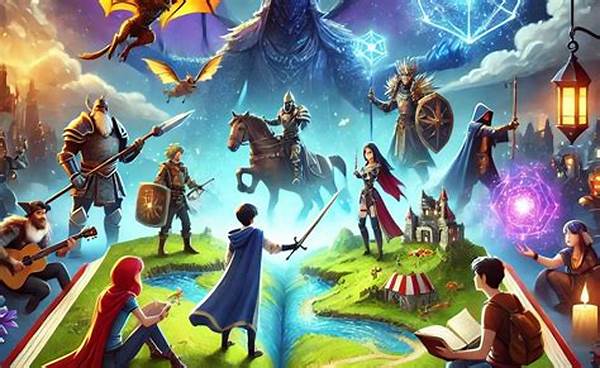
Crafting an engaging narrative in role-playing games is like weaving a tapestry of suspense, emotion, and imagination. The richness of a story can turn a simple game into a memorable journey, with each player becoming a character in a vibrant world. Whether you’re a game master or a player, understanding the art of storytelling is key to creating an unforgettable RPG experience.
The Essence of Engaging Storytelling for RPGs
Engaging storytelling for RPGs isn’t just about creating an exciting plot—it’s about bringing characters and worlds to life. It involves a delicate balance of creativity, structure, and adaptability. A good story pulls players in, making them candidates in the epic tale you weave together. Imagine crafting a city where every alley whispers secrets, where each character carries deep-rooted motivations that drive their actions. The beauty of RPGs lies in their dynamism; no two stories are ever the same because they draw heavily from the players’ choices and interactions.
A compelling RPG story often starts with strong world-building. Setting the scene gives players a canvas on which to paint their adventures. From the vivid descriptions of ancient ruins to the subtle political tensions that simmer beneath the surface, every element adds depth. Yet, it’s the characters who breathe life into this world. When players connect with their characters’ aspirations and fears, the story becomes a shared journey. Engaging storytelling for RPGs transforms gaming sessions into storytelling sagas that players will recount long after the game concludes.
Strategies for Engaging Storytelling in RPGs
1. Character Depth: Engage players by crafting multi-dimensional characters. The deeper their backstories and motivations, the more invested players feel.
2. Dynamic Plots: Flexibility in storytelling allows for unexpected twists. Players revel in the surprise of a living story that adapts to their decisions.
3. Immersive Worlds: Detail is key. Paint vivid settings with sights, sounds, and smells that draw players into the game world completely.
4. Emotional Arcs: Create highs and lows in the narrative. The emotional rollercoasters grip players, making the game memorable.
5. Player Agency: Empower players with meaningful choices. When their decisions shape the story, engagement skyrockets.
Building Worlds with Engaging Storytelling for RPGs
Engaging storytelling for RPGs thrives on the power of world-building. Creating a detailed landscape is more than just setting the scene—it’s about designing a playground for adventure. This world should resonate with history, culture, and conflict, giving players a sense of place and purpose. It’s in these details that stories flourish, as players explore and contribute their own narratives.
Every corner of your world should entice exploration. When players feel their next move could uncover a hidden secret or a long-forgotten artifact, the story gains momentum. Use legends and lore to add layers to the narrative, making the world feel ancient and alive. Engaging storytelling encourages players to step outside their comfort zones, piquing curiosity with every twist and turn.
Crafting Characters for Engaging Storytelling in RPGs
Characters are central to engaging storytelling for RPGs; they are the vessels through which players experience the world. A character’s journey must resonate with players, building empathy and investment in the story. Consider a hero’s fall from grace or a villain’s tragic past—these narrative elements forge connections that drive the plot forward.
Narrative depth is achieved through dynamic character development. As characters face challenges, their growth is mirrored by player engagement. Allow room for complexity within your characters of seemingly incongruent beliefs or motivations, as these facets create intrigue. Engaging storytelling for RPGs relies on characters’ journeys intersecting at pivotal moments, sparking meaningful interactions and unforeseen alliances.
Natural Sounding Language in Engaging Storytelling for RPGs
The use of natural-sounding language breathes life into the narrative, making descriptions and dialogues flow organically. In engaging storytelling for RPGs, this language style ensures players are immersed, effortlessly navigating the complexities of the story. It prioritizes clarity and relatability, helping players envision the world without being bogged down by overly elaborate prose.
Natural-sounding language allows for seamless transitions between narrative and gameplay, creating an uninterrupted story flow. It empowers players to interact naturally, prompting them to respond in character, thus enhancing role-play. Whether describing the rustling leaves in a mysterious forest or the heartfelt exchange between allies, this language style in engaging storytelling allows stories to unfold with authenticity and spontaneity.
The Impact of Natural Sounding Language on RPG Storytelling
Embracing a natural-sounding language style reshapes how stories are experienced. It fosters clarity, allowing players to act and react without barriers. Engaging storytelling for RPGs is elevated through this approach, characterized by narratives that are vivid and dialogues that are sincere.
The strength of this style lies in its accessibility. Players of all backgrounds can step into their roles with ease, enhancing inclusivity and allowing for diverse perspectives. It accommodates every voice, ensuring the flow of the narrative remains uninterrupted and engaging for everyone. The immersive experience of cohesive and fluid language underscores the art of engaging storytelling for RPGs, creating a shared adventure that resonates deeply with all participants.