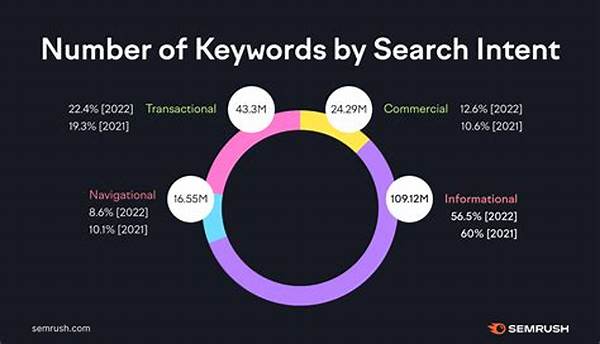
In the evolving landscape of digital marketing, understanding the motivation behind a search query is crucial for delivering relevant content. Enter search intent keyword analysis—a tool that deciphers what users truly seek when they type in a search query. This insight enables businesses to tailor their content strategies to meet user needs effectively and increase engagement. Let’s delve into how this essential practice can transform your content approach.
Understanding Search Intent Keyword Analysis
Search intent keyword analysis isn’t just about picking the right keywords; it’s about understanding the mindset of the searcher at the moment they key in their question or statement. By analyzing search intent, marketers can segment keywords into categories like informational, navigational, transactional, or commercial investigation. This categorization helps shape content that aligns with users’ intentions, ultimately guiding them further down the conversion funnel. Recognizing whether users are looking to learn, buy, or compare can significantly affect the type of content presented to them.
To leverage search intent keyword analysis effectively, one must interpret the search terms within the context of user behavior. Are users looking for answers to specific questions, trying to find a particular website, or eager to make a purchase decision? By answering these questions, businesses can create content that matches user expectations, reduces bounce rates, and boosts SEO performance. Thus, understanding the subtle differences between types of search intent aligns your content more closely with what your audience desires, driving quality traffic to your site.
Techniques for Search Intent Keyword Analysis
1. Segmenting Keywords: Breaking down keywords into intent categories helps in crafting targeted content strategies with search intent keyword analysis in focus.
2. Analyzing SERPs: Observing how Search Engine Results Pages display results gives insights into Google’s interpretation of the search intent.
3. Using Analytics Tools: Leveraging tools like Google Analytics to track search behavior patterns and refine the search intent keyword analysis approach.
4. Surveying User Intent: Collecting user feedback and surveys guides a better understanding of their intent, enhancing the search intent keyword analysis process.
5. Content Gap Analysis: Identifying gaps in current content helps align future content more closely with user search intents during keyword analysis.
The Importance of Search Intent Keyword Analysis
To thrive in the digital marketing realm, the importance of search intent keyword analysis cannot be overstated. This approach lets marketers tap into the underlying reasons behind a search query, genuinely qualifying the intent behind user searches. With this insight, businesses can tailor their content, ensuring it is precisely what users are searching for. It results in content that not only meets user expectations but also enhances user engagement and satisfaction.
Search intent keyword analysis empowers businesses to fine-tune their content to meet the user’s needs in real-time, which is pivotal in a world where the digital space is continuously changing. By matching content to the user’s purpose, businesses can foster trust and authority in their field, leading to increased user loyalty and a stronger brand presence. Further, as search engines become smarter, aligning your SEO strategy with search intent becomes even more critical to stay ahead of competitors.
Strategies for Effective Search Intent Keyword Analysis
1. Understand the user context by thoroughly segmenting search queries.
2. Focus on competing page analysis to detect the prominent intent.
3. Use keyword modifiers to discern various intents during search.
4. Optimize content for prominent search intent categories.
5. Regularly update content to match shifting search behaviors.
6. Employ split testing to trial different content approaches.
7. Establish user personas to drive a personalized search intent strategy.
8. Embrace AI tools for a sophisticated keyword intent forecast.
9. Align goals with search intent findings to maintain consistency.
10. Continuously monitor industry trends to stay relevant in keyword analysis.
Search Intent Keyword Analysis: Delving Deeper
Engaging in search intent keyword analysis is akin to mapping out the pathways that lead potential customers to your digital doorstep. By understanding and leveraging this, businesses can create content that resonates on a deeper level with their audience, thereby increasing the chances of conversion. It’s not just about targeting keywords anymore; it’s about embodying the essence of what those keywords represent in terms of user intention.
The competitive advantage gained from a comprehensive search intent keyword analysis should not be underestimated. With it, businesses can ensure their digital presence is accessible and persuasive to their audience. This alignment between content and user expectation fosters an enriching digital experience that not only attracts but also retains users, paving the way for sustained growth and improved brand reputation.
Future of Search Intent Keyword Analysis
As technology evolves, so does the potential of search intent keyword analysis. The future holds exciting possibilities as AI and machine learning algorithms become more sophisticated, further refining the precision with which search intent is understood and acted upon. Businesses that integrate these advancements into their strategies will likely enjoy heightened user interactions and improved search rankings.
The ongoing transformation of search algorithms signals that businesses must be agile in adapting their approaches to keyword analysis. Keeping abreast of search engine updates and continuously refining strategies will be key factors in maintaining a competitive edge. By emphasizing the quality of engagement over mere volume, search intent keyword analysis will continue to drive meaningful connections between businesses and their audiences, fostering growth and success.
Conclusion on Search Intent Keyword Analysis
In summary, search intent keyword analysis is an indispensable tool in the digital marketer’s toolkit. It allows for a nuanced approach to keyword strategies, focusing on user satisfaction and engagement. By aligning content with user intent, businesses can achieve better SEO outcomes, higher user engagement rates, and ultimately, greater conversion success.
Looking to the future, the importance of understanding search intent will only grow as users become more discerning and demand more personalized content. Therefore, staying informed and proactive in adapting to industry trends, while employing advanced analytical tools, will ensure businesses remain ahead in the competitive digital landscape. Hence, a robust search intent keyword analysis strategy is not just desirable; it is essential for long-term digital success.