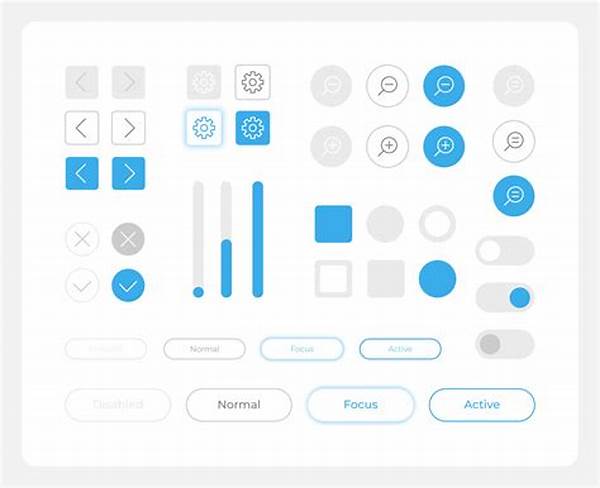
In today’s fast-paced digital world, websites have become an integral part of our daily lives. Whether you’re shopping online, catching up on the latest news, or simply browsing for entertainment, one thing is certain: easy-to-find navigation elements are vital. They act as the roadmap to your journey on any website, ensuring you get from point A to point B with minimal hassle. But what exactly makes navigation elements easy to find, and why are they so important? Let’s dive deeper.
Importance of Easy-to-Find Navigation Elements
The heart of any user-friendly website lies in its easy-to-find navigation elements. These essential tools help users explore websites efficiently, ensuring they find the information they need quickly. Imagine landing on a cluttered website where nothing is intuitive; the frustration mounts, and soon enough, visitors click away, never to return. That’s why designers prioritize clear, straightforward menus, strategically placed buttons, and consistent layouts that make navigation a breeze. Easy-to-find navigation elements are like well-lit signs on a dark road, guiding users to their destination with ease.
Designers often emphasize the need for simple yet effective navigation elements. This includes using contrasting colors for menus, proper labeling, and organizing links logically. Moreover, test sessions with real users can provide valuable insights into how intuitive a navigation system truly is. Feedback from these sessions can lead to tweaks that enhance the overall user experience. Thus, the importance of easy-to-find navigation elements cannot be understated; they’re crucial for retaining visitors and ensuring a seamless browsing experience.
Design Tips for Easy-to-Find Navigation Elements
1. Consistency is Key: Consistent navigation across all pages ensures users don’t get lost. Easy-to-find navigation elements should look and behave the same on every page.
2. Logical Order: Arrange elements in a logical order, reflecting how users think. The simpler the structure, the easier it is to find what you’re looking for.
3. Use Familiar Symbols: Leveraging known icons, like the hamburger menu, helps users identify easy-to-find navigation elements quickly.
4. Highlight the Important: Use colors or bold fonts to make significant navigation elements stand out, ensuring newcomers grasp crucial information immediately.
5. Clean Layout: A clutter-free design helps in featuring easy-to-find navigation elements distinctly. Give elements space, so they are not drowned out by other content.
Implementing Easy-to-Find Navigation Elements
When it comes to creating a user-friendly website, prioritizing easy-to-find navigation elements cannot be overstated. These elements should be visible immediately upon landing on the page. Accessibility isn’t optional; it’s essential. Websites with cluttered designs or difficult-to-navigate structures often see higher bounce rates, as users quickly lose patience and seek easier alternatives.
A good start is placing navigation links in intuitive locations. Most users expect to find main menus at the top or left-hand sides of the page. Additionally, tools like sticky navigation ensure that these elements follow users as they scroll, always remaining within reach. Incorporating easy-to-find navigation elements is not just about aesthetics; it’s about creating an effortless experience for users, encouraging longer visits and increased engagement.
Characteristics of Easy-to-Find Navigation Elements
There’s an unmistakable charm in easy-to-find navigation elements. They embody simplicity and serve their purpose without drawing undue attention to themselves. They’re intuitive and require little thought, aligning with what users expect naturally. Here are some core characteristics:
1. Simplicity: The best navigation designs are straightforward without unnecessary complexity.
2. Scannability: Easy-to-find navigation elements can be scanned at a glance, enabling users to quickly assess where to go next.
3. Predictability: These elements follow standard practices, guiding users by meeting their anticipations.
4. Responsiveness: They adapt seamlessly across devices, ensuring the experience remains consistent regardless of screen size.
5. Feedback: Good navigation offers immediate feedback, such as highlighting selected items, to reassure users of their choices.
The Role of Easy-to-Find Navigation Elements
In a world where information overload is rampant, easy-to-find navigation elements play a pivotal role in helping users have efficient online experiences. They work silently yet effectively, directing users precisely where they need to be, all while maintaining the aesthetic harmony of the site. When thoughtfully designed, they empower users, reducing frustration, and enhancing satisfaction by simplifying browsing.
Easy-to-find navigation elements ensure that websites remain accessible to a diverse audience, regardless of technical proficiency. By prioritizing such elements, businesses foster trust and reliability, which can significantly impact user engagement and conversion rates. These navigation elements are not just features; they are a necessity for any thriving digital platform, bridging the gap between users and the information they seek.
Conclusion: The Essence of Easy-to-Find Navigation Elements
In essence, easy-to-find navigation elements shape the very foundation of a successful user experience on any digital platform. They embody simplicity, consistency, and accessibility, ensuring that users can explore with ease. The importance of these elements cannot be overstated—they are the unsung heroes guiding users on their virtual journeys.
Designing with easy-to-find navigation elements in mind is an investment in user satisfaction and website success. As technology evolves and digital expectations grow, ensuring that navigation remains intuitive and easy to find will continue to be a priority for designers and developers alike. By making navigation simple yet effective, we pave the way for delightful and seamless user interactions.